

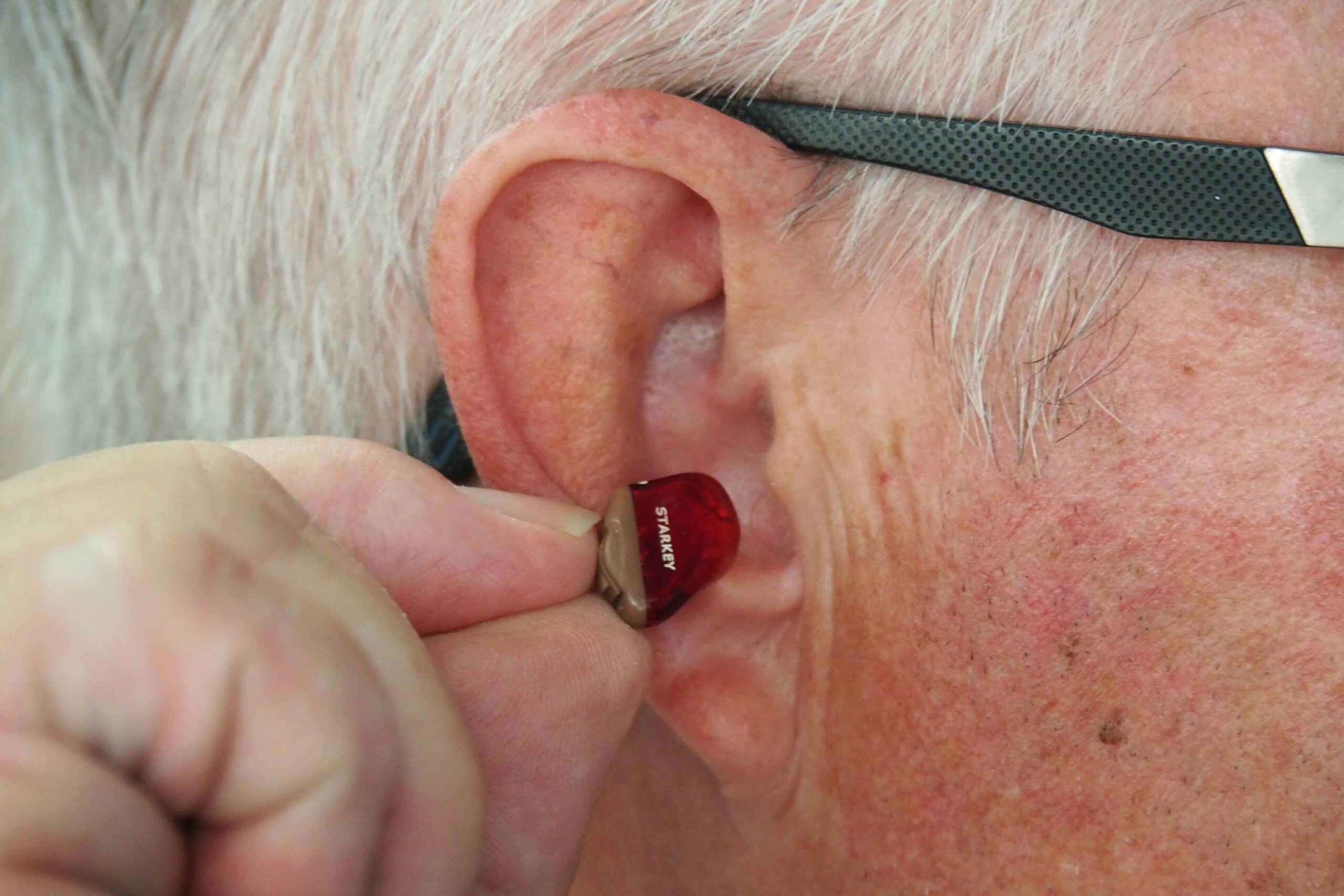
If you think that hearing aids are still large, cumbersome devices with a part that goes in your ear and a part that goes behind it, then you’re living in the wrong decade. These devices have come on leaps and bounds and can help retirees enjoy their lifestyle so much more than in the past.
What new technologies are coming through right now? What is there to be excited about? Let’s find out
All day rechargeability
Do you remember the days when you had to open the battery compartment on your hearing aid to take out the disposable zinc-air battery and then replace it with a new one? This was annoying and difficult to do, partly because the whole operation was so fiddly, and it often resulted in damage to the battery compartment itself.
Fortunately, almost all modern RIC and CIC models now have lithium rechargeable batteries. These provide more than 24 hours of performance and allow continuous use, meaning that all you need to do is charge them at night when you go to bed. They also come with customizable 3D-printed shells that sit entirely in your ear canal, designed for the specific shape of your ear. This level of customization makes them completely invisible to the outside world.
OTC accessibility
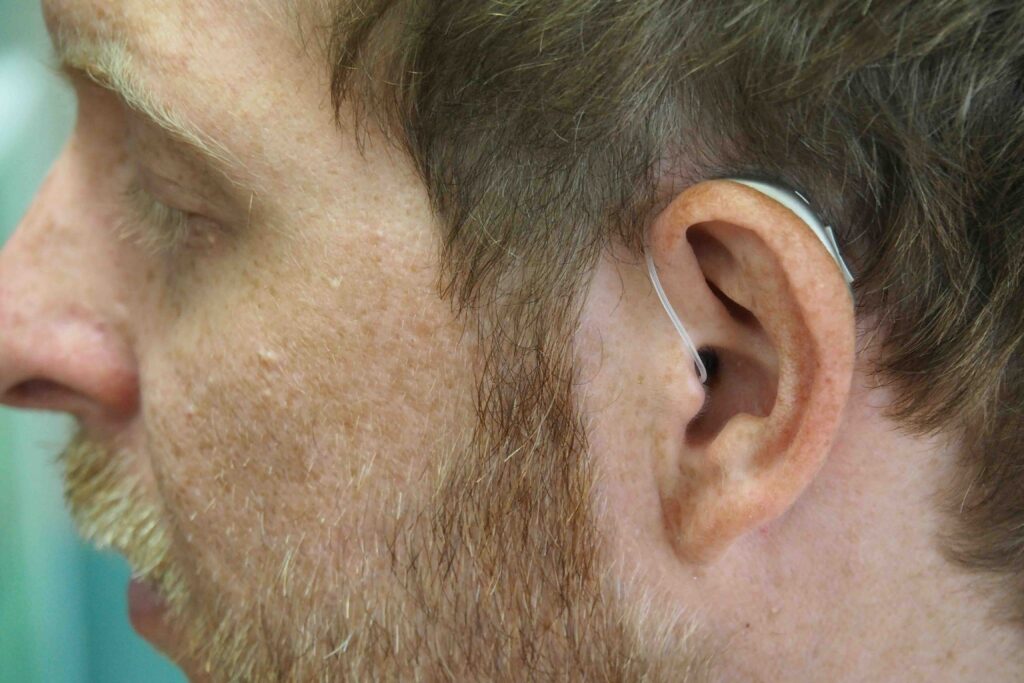
Another big change in the hearing aid market is that it’s now much easier to find hearing aids. Many of them are clinically validated and available over the counter. If you have mild to moderate hearing loss, you can take a 5-minute pure-tone audiometry test on your iPad or iPhone. This tells you how your hearing is performing and the level it’s currently at. You can then use this information to determine the types of hearing aids you need, massively lowering the financial barriers to entry. Of course, you won’t get as good a service compared to if you go to an audiologist, but you can at least get started down that road.
Seamless Bluetooth integration
Bluetooth integration is another significant improvement in hearing aid technology. Old hearing aids were often limited to the iPhone only and required manual toggling. You had to buy expensive, brand-specific transmitter boxes for TV connectivity, and people had to use telecoils for answering the telephone in public spaces.
With Bluetooth, the ability to stream from your phone is universal and hands-free. You can connect with modern devices with Bluetooth compatibility as much as you like and use advanced technologies to plug into things like airport screens and movie theatres without having to go through a technical audio-visual process.
Integrated safety and health monitoring
Finally, many advanced Bluetooth headphones in 2026 come with integrated safety and health monitoring. This means you don’t need to carry around a separate device.
For example, on-board detectors and sensors in modern hearing aids can detect falls. They can then issue texts to healthcare providers and family members with your GPS coordinates, alerting them to a problem. Companion apps can also track things like your social engagement hours and monitor how long you spend actually conversing with other people.