

Technology is quickly changing how we approach personal health and wellness. It offers powerful new tools that help us live more vibrant and independent lives.
These health innovations aren’t just for younger, tech-savvy people; they’re designed to be easy to use, giving valuable insights and support to adults of all ages.
From smart devices that track vital signs to intelligent apps that offer personalized advice, technology is becoming an essential partner in staying well.
Smart Devices for Wellness
Good health management often starts with consistent data, and smart wellness devices make collecting this information easier than ever. Today’s smart scales do more than just show a number; they can measure body composition, including muscle mass and hydration levels. They then sync these results to a smartphone app, letting you track your progress over time.
Similarly, smart blood pressure monitors give accurate readings at home and create a digital log you can easily share with your doctor. This means no more manual record-keeping and a clearer picture of your heart health, much like how wellness tech is catching up to our needs.
Automated pill dispensers are another helpful innovation. These devices can organize a week’s worth of medication, dispense the correct dose at the right time, and even send reminders to your phone or a family member’s if a dose is missed.
Wearable Tech Innovations
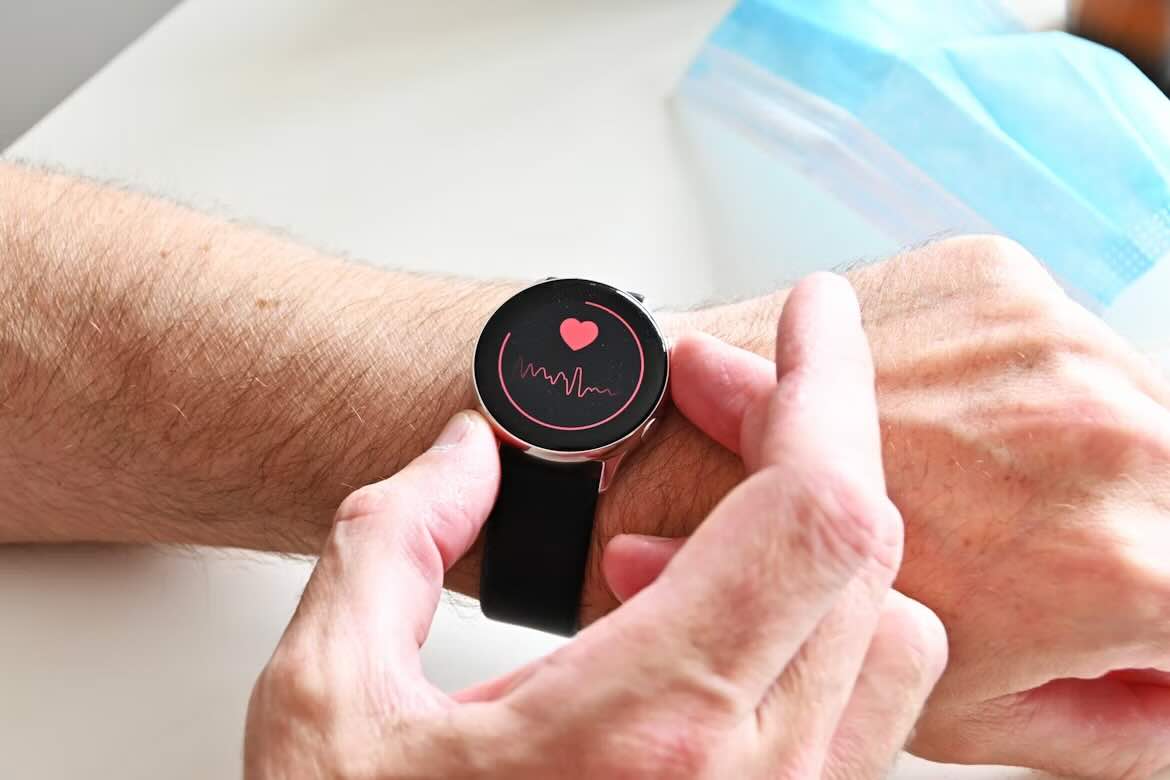
Wearable devices are perhaps the most common type of health tech. Smartwatches and fitness trackers have grown from simple step counters into sophisticated health monitors worn on your wrist. Many now include features like heart rate monitoring, ECG capabilities to spot irregularities like atrial fibrillation, and fall detection that can automatically alert emergency contacts.
These devices encourage an active lifestyle by setting goals and tracking activity, but their benefits go much further. By monitoring sleep patterns, stress levels, and blood oxygen saturation, wearables give you a complete view of your health. The data they collect can help you and your doctor make more informed decisions and reach your health goals more effectively.
The field of wearable technology in healthcare is expanding rapidly, with new sensors and capabilities appearing all the time.
AI in Personal Health Management
Artificial intelligence (AI) powers much of this new technology. AI algorithms can analyze the huge amounts of data collected by your devices to find patterns and offer personalized insights. For example, a health app might notice a link between your sleep quality and your daily activity levels, then give you specific recommendations to improve your rest.
This intelligence is also changing assistive devices. Modern AI hearing aids, for instance, can now automatically adjust to different sound environments. They can tell the difference between a quiet conversation and a noisy restaurant, providing a clearer listening experience. By learning your preferences and analyzing your surroundings in real-time, AI makes these tools more effective and seamless to use, boosting social engagement and overall quality of life.
Home Health Monitoring Solutions
For those who want to age in place safely and independently, home health monitoring solutions offer both support and peace of mind. These systems go beyond basic emergency alert buttons. Many now use a network of discreet, non-intrusive sensors placed around the home to learn a person’s daily routines.
If the system detects a big change from the norm, like no movement in the morning or a door left open at night, it can send a notification to a designated family member or caregiver. This offers a safety net without sacrificing privacy. Telehealth services are another key part, allowing for virtual consultations with doctors and specialists from the comfort of home, saving time and reducing the need to travel.
Future Trends in Senior Care
Looking ahead, these technologies will integrate even more smoothly. Imagine a system where your wearable device, smart scale, and home sensors all talk to each other. This connected ecosystem could one day use predictive analytics to spot potential health risks before they become serious problems, prompting early action. We might also see social robots designed to offer companionship and help with daily tasks, fighting loneliness and supporting independent living for longer.
Technology offers incredible potential to support a healthy, active, and engaged life. Embracing these innovations helps you better understand your own health and access powerful tools for managing your well-being proactively.