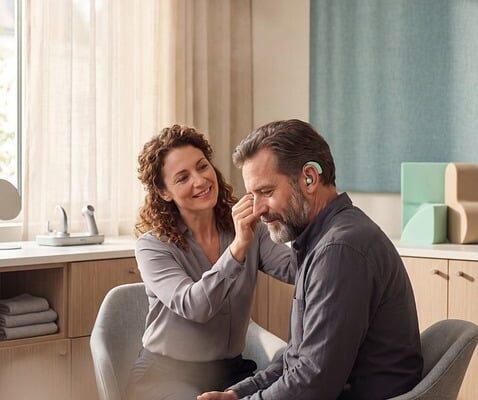


As we get older, staying active, eating well, and keeping our minds sharp usually top our to-do lists. But there’s one really important part of our health that often gets forgotten: our hearing. Being able to hear clearly helps us connect with loved ones, keeps us in the loop with the world, and plays a huge role in how much we enjoy life. Taking care of your hearing isn’t just about turning up the TV; it’s about making sure your daily life stays rich and full.
Why Hearing Health Matters More Now
Hearing helps us connect with family, friends, and the world around us. It also keeps us alert to important sounds like smoke alarms, car horns, and doorbells. Protecting your hearing can support your confidence, independence, safety, and social life as you age.
Common Hearing Challenges Over 50
For lots of people, hearing changes so slowly that you barely notice it at first. You might find yourself asking folks to repeat themselves more often, or maybe you blame others for mumbling. One of the most common signs of age-related hearing loss is having trouble understanding conversations in noisy places, like a busy restaurant or a family get-together. High-pitched sounds, like birds singing or a grandchild’s voice, might also become harder to pick out.
These challenges can be really frustrating and might even make some people pull back from social events they used to love. If any of this sounds familiar, don’t worry, it doesn’t have to be your new normal. A great first step is to find a hearing aid clinic and book a professional check-up to see what’s going on.
The Link Between Hearing and Cognition
New research is really showing a strong link between how well you hear and how well your brain works. When you have hearing loss, your brain has to work much harder just to process sounds and fill in the gaps. All this extra effort can put a strain on cognitive resources, possibly taking away mental energy that could be used for other important things like memory and focus.
Think of it like trying to run too many apps on your computer at once; eventually, everything slows down. By dealing with hearing loss, you’re not just making it easier to hear. You’re also freeing up your brain’s resources, which can help keep your mind sharp as you get older. Taking care of your ears really is a way of taking care of your brain.
Steps to Take for Better Hearing
Protecting and improving your hearing is an ongoing journey that involves a few simple, proactive habits. You can start making a difference today with these easy steps:
Protect your ears from loud noise. Everyday sounds from lawnmowers, power tools, or even loud music can damage your hearing over time. Always wear earplugs or protective earmuffs when you know you’ll be in noisy places.
- Get regular hearing check-ups. Just like you get your eyes checked and have physicals, it’s smart to have your hearing professionally tested. An audiologist can keep an eye on any changes and give you advice tailored just for you.
- Turn down the volume. When you’re using headphones or watching TV, be mindful of how loud it is. A good rule of thumb is the 60/60 rule: listen at no more than 60% of the maximum volume for no more than 60 minutes at a time.
- Speak up about your needs. Don’t be shy about telling friends and family how they can help you hear better. Asking them to face you when they talk or to turn down background noise can make a huge difference.
Embracing Technology for Clearer Sound
Modern hearing technology offers discreet, powerful solutions for clearer sound. Hearing aids can connect to smartphones for calls, music, and TV, while assistive devices such as personal amplifiers, TV systems, and captioned phones provide extra support. These tools can help you stay connected, engaged, and active after 50.
Image Credit: Unsplash