

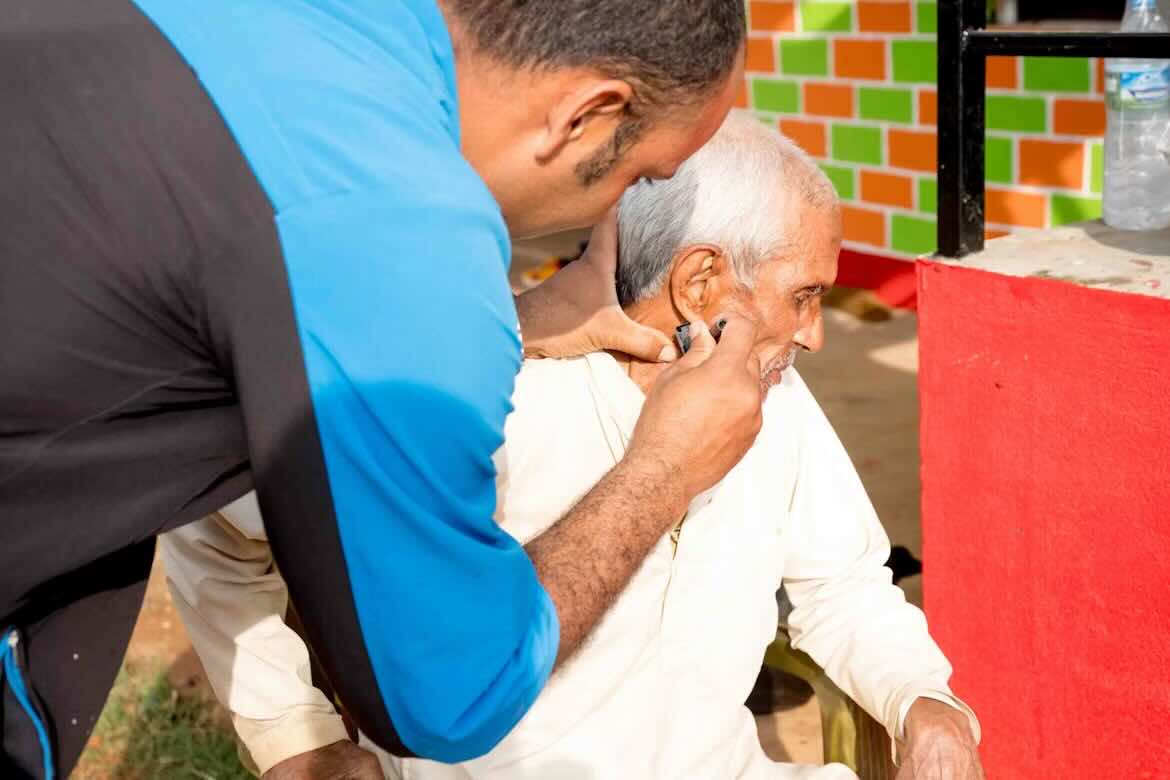
Image Credit: Unsplash
As we age, our bodies and needs change, but we still want to live full, independent lives. Making a few proactive adjustments to your health routines and lifestyle can make a big difference in how well you feel overall.
Instead of seeing these changes as limitations, think of them as new ways to support your health. That’s the first step toward truly thriving in your later years. Small modifications, from regular health screenings to adapting your home, can have a huge impact.
Prioritizing Preventative Care
Staying on top of your health becomes more and more important as you get older. The focus often shifts from just treating illnesses as they pop up to preventing them in the first place. Regular check-ups with your primary care doctor are essential. These visits let your doctor track your health over time, catch potential issues early, and recommend screenings for conditions that become more common with age.
Beyond general check-ups, it’s smart to talk about a personalized plan for immunizations, blood pressure monitoring, and cholesterol tests. Being proactive is key to enhancing your quality of life and staying independent for years to come. Don’t hesitate to ask questions and be your own best advocate when it comes to your healthcare decisions.
Addressing Sensory Changes
It’s normal for our senses to change over time. You might notice that food doesn’t taste quite the same or that you need brighter light to read a book. These shifts are a natural part of aging, and recognizing them is the first step toward finding simple solutions for living well after 50. For example, using more herbs and spices can make meals more flavorful, while upgrading the light bulbs in your home can make reading and other daily tasks easier and safer.
Changes in vision and hearing are especially common and can really affect your daily activities and social life. Regular eye exams are crucial for catching issues like cataracts or glaucoma early. Likewise, paying attention to your hearing is vital for staying connected with the world around you.
Finding the Right Hearing Support
Hearing loss often happens so gradually that you might not notice it at first. You might find yourself turning up the TV volume or asking people to repeat themselves more often. This can be frustrating and might even lead to you avoiding social situations to escape the strain of trying to keep up with conversations. Addressing hearing loss isn’t just about turning the volume back up; it’s about reconnecting with your loved ones and your environment.
Modern technology has made hearing support more effective and discreet than ever. Devices come in many styles, from nearly invisible in-the-canal models to comfortable behind-the-ear options. A specialist can help you figure out the best solution for your specific needs. If you’re ready to explore your options, you can work with a professional to find local Phonak hearing aids and other leading brands that fit your lifestyle.
Adapting Your Living Environment
Your home should feel comfortable and secure. As your needs change, a few simple modifications can help keep it that way. The goal is to create an environment that minimizes risks and makes daily life easier. Start by walking through your home to spot any potential hazards.
- Improve lighting: Make sure all hallways, staircases, and entryways are well-lit. Nightlights can be helpful for moving around your home after dark.
- Reduce fall risks: Secure loose rugs with non-slip backing or just remove them. Clear clutter from walkways and keep electrical cords tucked away.
- Enhance bathroom safety: Installing grab bars in the shower and next to the toilet can give you stability. A non-slip mat in the tub is also a simple but effective safety measure.
These adjustments can boost your confidence and help you stay independent. You can find many helpful strategies for support and care that make a living space safer for yourself or a loved one.
Staying Active and Engaged
Keeping your mind and body active is essential for healthy aging. Physical activity helps maintain strength, balance, and flexibility, which can reduce your risk of falls and help manage chronic conditions. You don’t need to run a marathon; activities like walking, swimming, yoga, or tai chi are excellent low-impact options. Find something you enjoy, and make it a regular part of your routine.
Mental and social engagement are just as important. Keep your mind sharp by learning a new skill, reading, doing puzzles, or playing games. Staying connected with friends, family, and your community can prevent feelings of isolation and boost your mood. Consider joining a club, volunteering, or taking a class at a local community center to meet new people and stay involved.
Taking these steps to care for your physical, mental, and social well-being will help you enjoy a vibrant and fulfilling life at any age.