
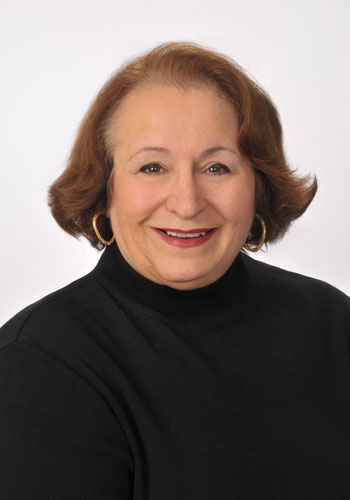
My husband and I enjoyed our retirement in a quiet way, with simple pleasures, like summer vacations with the children and grandchildren. Those are fond memories! Fast forward to today and let me tell you about my retirement.
Officially, I am not retired and I still maintain my real estate license but only work with personal referrals. A couple that has planned for a secure retirement for traveling throughout the country is very blessed. We did not plan. It becomes a challenge if you are a widow on a fixed income.
My typical day starts with attending church because I need guidance and inspiration. There is always a steno pad at my side to take notes to remember what has to be done the following day. There is also my bucket list.
Did I mention that I am now on my own? My wonderful husband passed three years ago during COVID and that forever changed my life and our family. Every day, I check the booklet from Allentown Senior Living to see what is available for the week ahead. It is a great resource. I check the Service Electric channel to observe the events ahead. I enjoy the Morning Call’s Go section on Thursday to see what cultural happenings are on schedule for the week. I wait for my friends to call and invite me to lunch, which I like to do. It doesn’t happen. Everyone is busy doing their own thing.
There are senior clubs through church or communities to consider. They sometimes have interesting speakers. There are flea markets and community garage sales. There are also concerts in the parks and theater shows. Lancaster County has shows and wonderful eating places. You do have to have enough money to attend these events. When you are retired, that is a consideration. All these activities are wonderful but not so great when you have to attend alone because your friends don’t have the same interests as you.
Retirement is better shared. You are lucky when someone calls to keep in touch. There are some days that I could scream from loneliness. This is my reality. There has to be a goal, and attitude is everything. Life is what you make it, but we have to have hope, joy, and laughter.
There are days when I feel lonely and hopeless. I have a wonderful family, but they have their lives and I realize that. Attitude is imperative to keep our retirement moving. I guess I have not painted a pretty picture. That is my reality. Every day when I wake up I thank God for a new beginning and am grateful for a new day, and hope that I can be a good voice to someone and remember all the blessings of the past and look forward to making things better for someone in the now.
Grandchildren are a blessing and visiting their activities is a delight. Sports events are great. Tomorrow is a new day and I ask the Good Lord to get me through another day. Keep busy and keep learning to let your mind be active! Thank God for the time we have and make the best of it! Keep smiling!